Every scheduling tool publishes a “best time to post” study, every study slices millions of posts, and every year the charts look… almost the same. That’s actually the useful part: when Buffer (9.6 million posts), Later (6 million) and Sprout Social all point at the same windows, the signal is real.
So here’s the 2026 consensus in one place, a day-by-day table you can steal, and — because this blog tries to be honest — a clear-eyed look at when timing stops mattering and what to do instead of refreshing your insights tab.
What the 2026 data agrees on
Three patterns repeat across every major study this year:
- Midweek wins. Tuesday, Wednesday and Thursday consistently out-perform; Wednesday and Thursday usually top the charts.
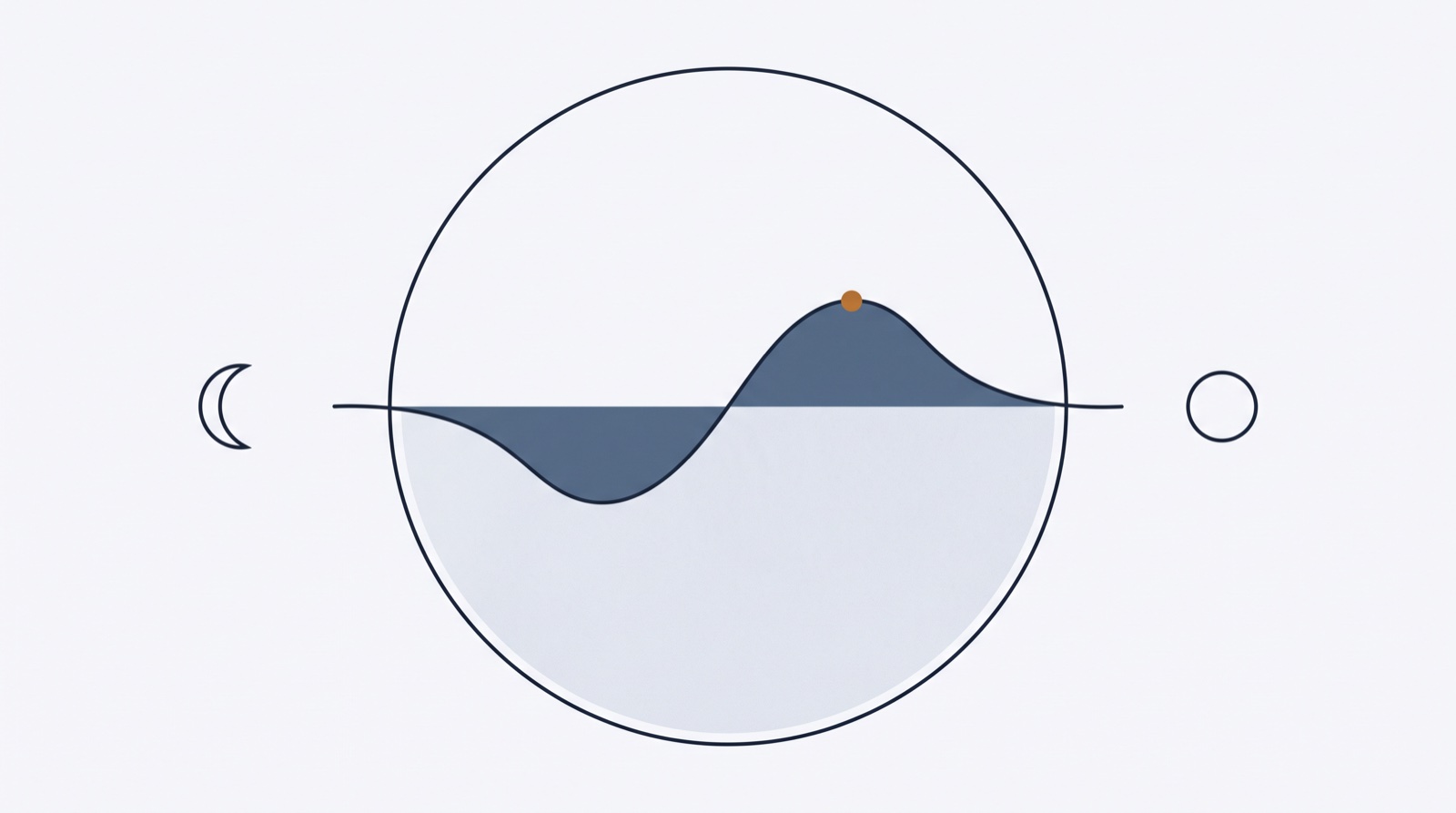
- Two daily peaks. An early-morning surge (people wake up and scroll) and a bigger late-afternoon/early-evening one (the commute-and-wind-down window, roughly 4–7 PM local time).
- Weekends trail. Saturday and especially Sunday show the weakest average engagement across almost all industries.
“Local time” means your audience’s local time — which is the detail most charts skip. If your followers sit in three time zones, one scheduled slot can’t serve them all equally; you pick the zone where most of them live, or rotate.
Day by day: the windows worth testing
Treat this as a starting grid for your own experiments, not gospel. Each window is in your audience’s local time.
| Day | Strong windows | Notes |
|---|---|---|
| Monday | 3–9 PM | Slow morning; the week warms up after lunch. |
| Tuesday | 5–8 AM · 3–7 PM | First of the three strong days; the early slot catches the wake-up scroll. |
| Wednesday | 11 AM – 5 PM | Often the single best day of the week. |
| Thursday | 12 – 5 PM | Neck-and-neck with Wednesday in most studies. |
| Friday | 11 AM – 4 PM | Good until people leave for the weekend — evenings die fast. |
| Saturday | 9 – 11 AM | One decent morning window; engagement thins after. |
| Sunday | 12 – 3 PM | The weakest day; post only if your niche lives on weekends. |
The honest part: timing is a tie-breaker
A great post at 2 AM beats a mediocre post at the perfect minute. Every time.
Instagram’s feed hasn’t been chronological for years; recommendations dominate. What timing still buys you is early engagement velocity — a post that collects saves and replies in its first hour gets tested with more non-followers. That’s a multiplier on quality, not a substitute for it.
So the priority order is: content quality → consistency → format fit (Reels vs. carousels vs. stills) → timing. Get the first three right and timing adds a polite few percent. Get them wrong and no o’clock will save you.
One more override: your own analytics beat every chart, including this one. Audiences of night-shift nurses, gamers or new parents keep hours no industry average predicts. Check when your followers are most active, test two windows for a month each, keep the winner.
Make timing a system, not a daily decision
The real win isn’t finding the magic minute — it’s never thinking about it again. Decide your windows once, then schedule: in ContentFast you queue the month and posts auto-publish to Instagram, TikTok or YouTube at the times you chose, or the Telegram bot hands you a ready-to-post package at the exact minute for anything you want to place by hand.
Pair it with a 30-day calendar and one batching day a month, and “when should I post?” quietly leaves your list of daily questions. That’s the whole point.